LABELS
A claim brings a label
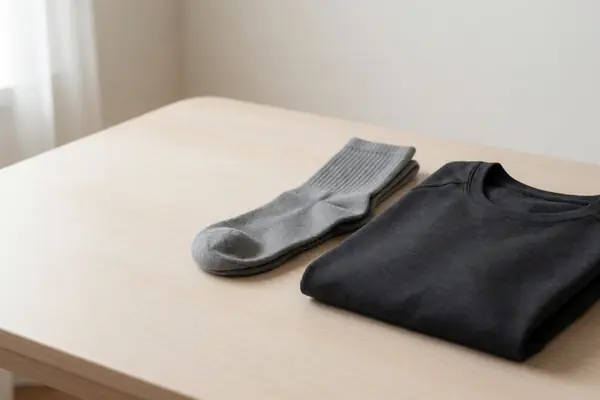
HSE gives socks with an odour-free or antibacterial claim as an example of a treated article. Making that claim means the label must say it contains biocidal products and name the active substances.
Check a label
WHAT THE LABEL AND THE LAB SAY
45 DAYS to answer your question
AI-generated image, not a photograph of a real person or place.
Some odour-free kit works with a trace of silver woven in or coated on.
Clothing makers use silver as an antimicrobial. GB law treats such kit as a treated article with labelling rules, and lab studies show some of the silver leaves in the wash.
THE SHORT ANSWER
One set of rules for the label.
Several lab studies on what happens next.
LABELS
HSE gives socks with an odour-free or antibacterial claim as an example of a treated article. Making that claim means the label must say it contains biocidal products and name the active substances.
Check a labelDOES IT WORK
A 2012 study of eight silver textiles found the nano-silver ones had the highest antibacterial activity, while some others did not reduce bacterial growth at all.
See the numbersWASHING
In a 2009 study, one wash released from under 1% to 45% of a fabric's silver, depending on how the silver was added. Bleaching agents greatly sped up its dissolving.
Wash it well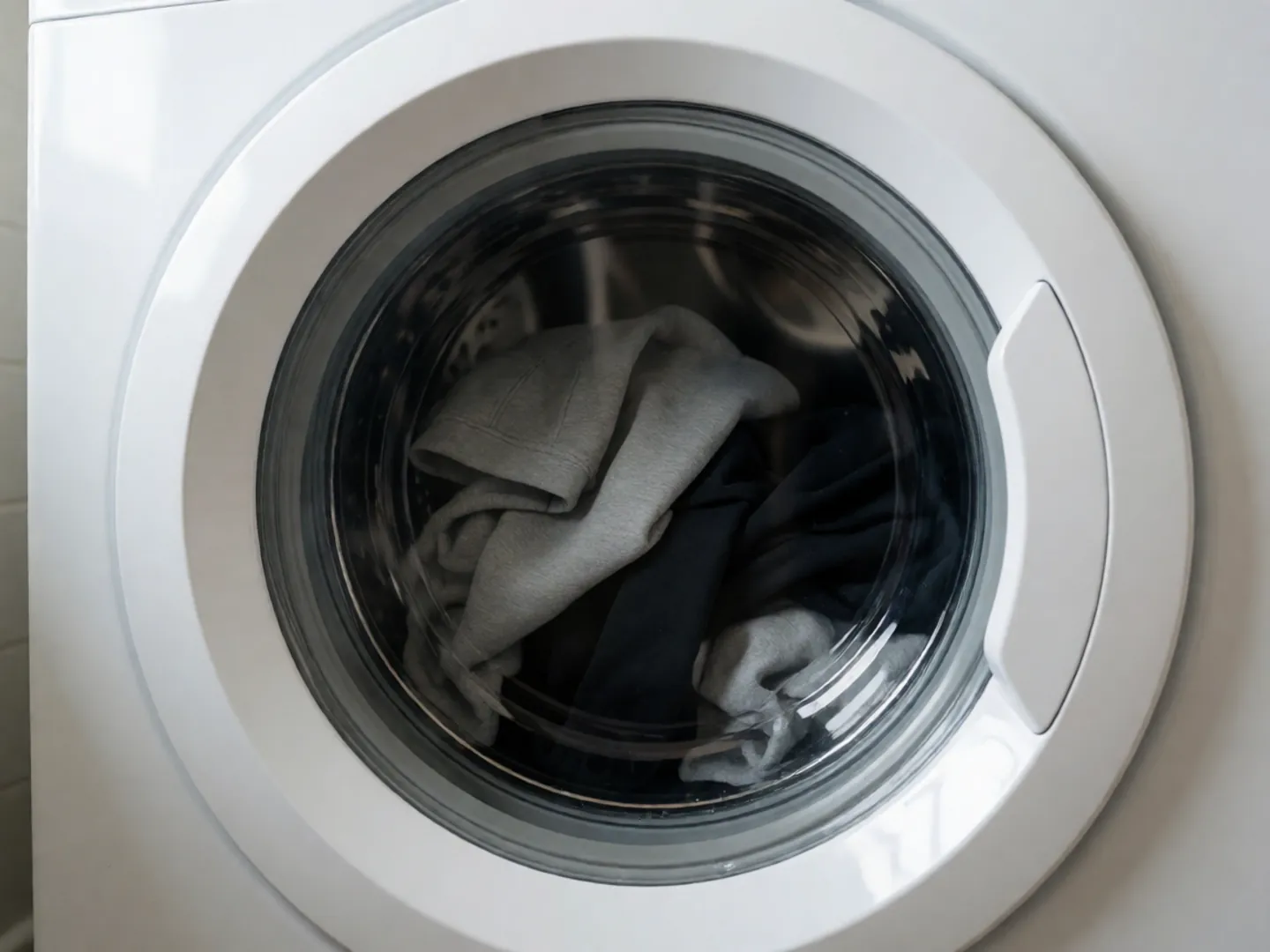
FOUR THINGS TO DO
These points come from HSE's treated article guidance and the washing studies above. Follow the care label on the garment as well.
If kit claims to be antibacterial or odour-free, the label should say it incorporates biocidal products and name the active substances, with (nano) after any nanomaterial.
You can ask the shop or maker what the article was treated with. They must answer free of charge within 45 days.
In the 2009 study, bleaching agents such as hydrogen peroxide, or peracetic acid formed by perborate bleach systems, greatly sped up the dissolving of silver.
Silver levels and activity varied widely between products in lab tests, and some silver textiles did not slow bacterial growth at all.
TWO NUMBERS WORTH KNOWING
How silver is added to a fabric changes
how much leaves it and in what form.
<1–45%
Share of a fabric's silver released in a single wash
Geranio, Heuberger and Nowack (2009) washed nine silver fabrics. Most of the silver came out as particles larger than 450 nm, pointing to mechanical wear in the machine.
ONE WASH · 9 FABRICS
4 of 8
Textiles that released detectable silver in a wash and rinse
Lorenz and colleagues (2012) found starting silver levels from 1.5 to 2,925 mg per kg of fabric. Only four of the eight released detectable amounts.
8 SHOP-BOUGHT TEXTILES
A 2014 study by Mitrano and colleagues found that fabrics treated with 'conventional' silver released as much or more nano-sized silver in the wash than those treated with nano-silver, so 'nano-free' does not mean no nanoparticles.
A QUICK LABEL CHECK
Pick what you see on the kit or its packaging. The bar shows how much the label tells you about the treatment.
Based on HSE's guidance on treated articles under the GB Biocidal Products Regulation (GB BPR), and lab studies of silver textiles.
WHERE THE SILVER GOES
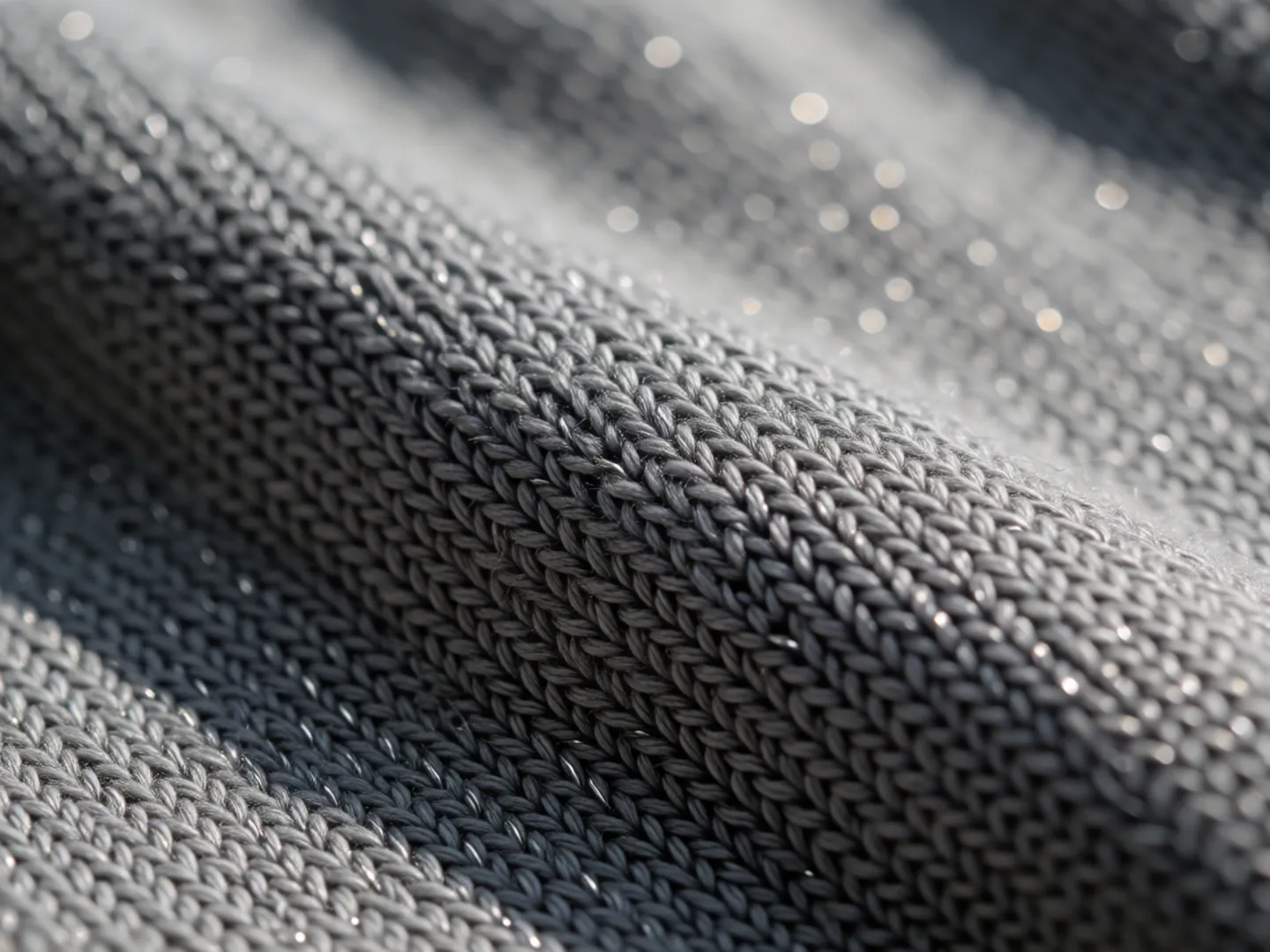
In a 2008 study, six types of socks contained up to 1,360 micrograms of silver per gram of sock, and some leached as much as 650 micrograms into half a litre of water. Particles from 10 to 500 nm across were seen.
The researchers modelled that a typical wastewater plant could handle high levels of incoming silver, but that it could limit the use of the resulting sludge as farm fertiliser.
In conversation
Clothing makers use silver, including nano-silver, as an antimicrobial agent. GB rules call clothing treated this way, such as socks with an odour-free or antibacterial claim, a treated article.
If the kit claims biocidal properties, HSE says the label must state that it incorporates biocidal products, give the property where substantiated, and name the active substances and any nanomaterials, followed by (nano).
Some does. A 2009 study found a single wash released from under 1% to 45% of a fabric's silver, depending on how it was added, and bleaching agents sped up its dissolving.
A 2014 study found fabrics with conventional silver treatments released as much or more nano-sized silver in the wash as nano-silver fabrics, so both can be a source of nanoparticles.
Yes. Under GB BPR, anyone in the supply chain must give a consumer information on the biocidal treatment when asked, free of charge and within 45 days.
Each figure on this page comes from the sources below.
ABOUT THIS NAME
tinytechwear.com is part of the DoodleSale portfolio. It isn't in an auction right now, but you can ask about leasing it.